Mommy of a Tiny and Mighty Fighter Nicu: A Designer's Review
As a designer who spends more time staring at stitch simulations than I do sleeping, I approach every new embroidery file with a mix of curiosity and skepticism. We have all been there: you download a beautiful graphic, only to realize it turns into a bird's nest of thread once the machine starts running. Today, I am taking a close look at the Mommy of a Tiny and Mighty Fighter Nicu design. This isn't just a quick glance at a preview image; this is an evaluation of how this specific asset holds up when translated from a digital concept into a tangible, stitched reality for real-world projects.
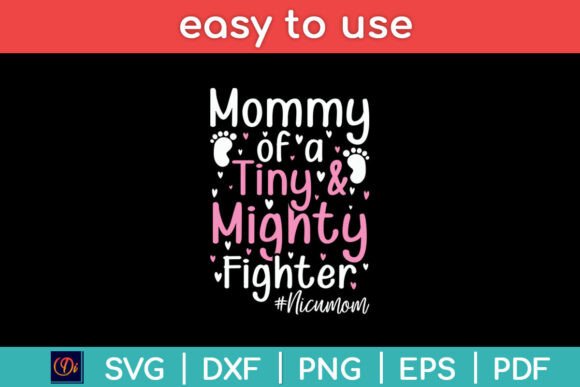
The first thing that strikes me about this design is its emotional weight. The phrase "Tiny and Mighty Fighter" immediately sets a tone of resilience and hope. Visually, the layout feels balanced, likely incorporating elements common in neonatal care awareness, such as tiny feet, hearts, or medical motifs intertwined with soft, nurturing typography. For an embroidery project, the mood is everything. This design screams "personalized gift" and "boutique product." It is not something you slap on a generic promotional item; it belongs on a cherished keepsake. Whether you are an Etsy seller looking to expand your catalog of baby embroidery or a hobbyist making a gift for a friend in the NICU, the thematic resonance here is strong.
Real-World Application: The Sweatshirt Scenario
To truly test the viability of this design, I imagined a specific use case: a custom embroidered sweatshirt for a new mother whose baby is currently in the NICU. This is a high-stakes project. The recipient will wear this item constantly, wash it frequently, and treasure it forever. In this scenario, the Mommy of a Tiny and Mighty Fighter Nicu design needs to perform flawlessly on a cotton-poly blend fleece.
If this were a standard machine embroidery design, I would be analyzing the stitch types immediately. Is the text rendered in a clean satin stitch, or does it rely on a complex fill stitch that might snag on fuzzy fabric? Since the source material describes this primarily as an SVG for cutting machines like Cricut and Silhouette, we have to pivot our thinking slightly. For embroidery purposes, this graphic serves as the foundational art for digitizing or creating an appliqué. If you are using it as an appliqué template, the shapes need to be distinct enough to cut cleanly from fabric. The "fighter" theme suggests bold lines, which usually translate well to fabric application. However, if you are digitizing this manually for an embroidery machine, the flow of the lettering is critical. Long, sweeping scripts can be problematic on stretchy sweatshirt materials without proper stabilization.
Imagine handing this finished product to a customer. The visual appeal relies heavily on contrast. A dark navy sweatshirt with white or pastel thread work (or fabric appliqué) creates a striking look that honors the seriousness of the situation while offering a beacon of light. The professionalism of the finished product directly impacts customer trust. If the edges of the letters fray or the spacing feels cramped, it diminishes the emotional value of the gift. This design, with its empowering message, demands precision.
Navigating Fabric Textures and Hoop Constraints
One of the biggest challenges with niche designs like Mommy of a Tiny and Mighty Fighter Nicu is adapting them to various substrates. While the product description mentions suitability for t-shirts, mugs, and pillows, an embroidery-focused review must address the nuances of fabric texture.
- Tote Bags: Canvas tote bags are a popular choice for craft business items. The coarse weave of canvas can make small details tricky. If the design includes fine lines representing medical equipment or tiny facial features on a character, these might get lost or require a higher stitch density to cover the texture effectively.
- Caps and Hats: Placing this design on a curved surface like a cap requires careful consideration of the hoop size and the distortion that occurs during stitching. The phrase "Tiny and Mighty" is relatively long; fitting it onto the front panel of a baseball cap without crowding the edges is a common pitfall. You may need to adjust the scaling or break the text into two lines.
- Baby Clothes: For baby embroidery, the fabric is often thin and delicate. Using a heavy fill stitch or dense appliqué layers can make the garment stiff and uncomfortable against a preemie's skin. In this context, less is more. A simple running stitch outline or a lightweight satin border might be more appropriate than a solid block of thread.
It is also vital to consider the limitations of your equipment. If you are working with a small 4x4 hoop, you might find yourself constrained by the width of the design. Always measure the actual dimensions of the artwork before committing to a project. There is nothing worse than hooping your fabric only to realize the design extends half an inch beyond the usable area.
Commercial Viability and Brand Consistency
For the small shop owner or creative entrepreneur, consistency is key. If you are building a brand around supportive, community-focused apparel, the Mommy of a Tiny and Mighty Fighter Nicu design fits perfectly into a collection of hospital-themed or awareness-raising products. However, you must ensure that the quality matches your brand promise.
When selling on platforms like Etsy, buyers engage with images first. A high-quality printable mockup is essential, but the physical reality must match the digital promise. Does the design hold up after ten washes? Are the thread colors vibrant, or do they fade? These factors determine whether a one-time buyer becomes a repeat customer. Using this design as a core asset for holiday embroidery gifts or boutique branding can drive engagement, provided the execution is flawless. The "fighter" narrative is powerful, and leveraging it correctly can create a deep connection with your audience.
Practical Notes for the Stitcher
Before you commit to stitching this on a final garment, here are a few professional recommendations to ensure success:
- Test on Scraps: Always run a test stitch-out on a scrap piece of the same fabric you intend to use. This reveals issues with puckering or registration errors before they ruin a expensive garment.
- Stabilizer Selection: For stretchy fabrics like t-shirts or sweatshirts, a cut-away stabilizer is often superior to tear-away, as it provides lasting support and prevents the design from distorting over time.
- Color Contrast: Review the design in black and white mentally. If the details disappear when color is removed, the contrast might be too low for clear visibility from a distance.
- Licensing Check: Since this originates as an SVG for cutting machines, verify the licensing terms if you plan to sell finished embroidered goods. Some digital assets are for personal use only, while others allow commercial application. Never assume; always read the fine print to protect your craft business.
- Density Management: If digitizing this yourself, keep the stitch density moderate. Over-saturating the fabric with thread can lead to a stiff, cardboard-like feel that detracts from the comfort of the wearable.
In conclusion, the Mommy of a Tiny and Mighty Fighter Nicu concept offers a profound opportunity for meaningful creation. Whether utilized as a template for appliqué or inspiration for a custom digitized pattern, its strength lies in its message. By paying attention to the technical details of fabric choice, stabilization, and stitch execution, designers can transform this graphic into a heartfelt heirloom. It is a reminder that in the world of crafts and graphics, the most valuable products are those that carry genuine emotion, stitched with care and precision.